
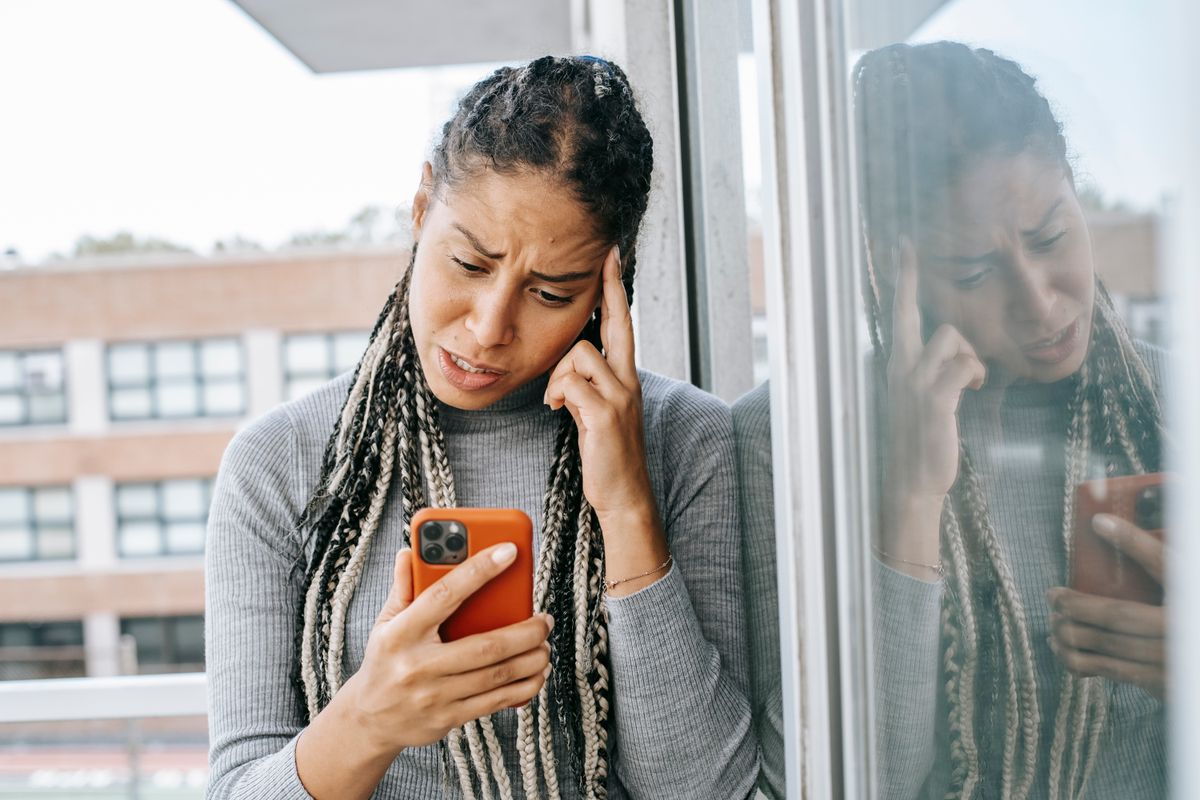
Zombieing is when someone who ghosted you suddenly comes back weeks, months, or even years later, usually with a casual text and no explanation at all. They vanish without a word, then return as if nothing happened, and they rarely say sorry. It's basically the second act of ghosting. Here's what it looks like, why people do it, and how to decide whether to reply.
Key Takeaways
- Zombieing is when someone who ghosted you comes back, usually with a casual text and no explanation.
- Common signs: a long silence, a casual tone, no apology, likes or story views first, and a vague message.
- People go on zombie mode for different reasons, like a backup plan that fell through, boredom, loneliness, or fear of commitment.
- Before you reply, ask three things: did they acknowledge the gap, are they offering real effort, and do you want them back?
- You can ignore or block, reply with a boundary, or give a conditional second chance.
- A real comeback has a clear apology, an honest reason, and consistency over time.
- On apps and social media, you can block, mute, or unmatch.
Zombieing Meaning in a Relationship
Say you matched with someone, chatted for a couple of weeks, and then they went quiet. You moved on. A few months later, your phone buzzes: "hey stranger."
That's the zombieing meaning in a nutshell, and it isn't just for first dates. It can be an ex who stopped replying and now likes your photos again. It can be a casual partner who disappeared after a few weekends. It can even be a situationship that starts back up after months of nothing.
The details change, but the core stays the same- they disappear without explaining and come back without owning it. Dictionary.com lists zombieing with ghosting, breadcrumbing, and pocketing, and says news coverage goes back to at least 2017.
Ghosting Trend vs. Zombieing: What's the Difference?
Ghosting is the part most of us already know. A 2023 Forbes Health survey, run with OnePoll, asked 5,000 U.S. adults who had dated in the previous five years about it. Nearly 60% said they'd been ghosted, and 45% said they'd ghosted someone.
That survey measured ghosting only. We couldn't find a reliable number for zombieing, so be careful with any stat you see. Here's how the terms line up:
| Term | What it means |
|---|---|
| Ghosting | Cutting off contact with no warning or explanation. |
| Zombieing | A ghoster returns, usually with no apology. |
| Breadcrumbing | Light, steady contact that never turns into anything. |
| Orbiting | Watching and liking your posts without talking to you. |
| Benching | Keeping you as a backup while they pursue others. |
Psychology Today describes orbiting as keeping tabs on your activity with likes and comments but no real conversation. Zombieing is different because they do reach out, just without the explanation.
Signs Someone Is Zombieing You
Look for these signs- you see a story view from someone you haven't heard from in months, then a like, and then a reply to your story.
If that sounds familiar, you should be knowing the common signs of zombieing:
- They reappear after a long silence
- The tone is casual, like nothing happened
- No apology or explanation
- Likes or story views come first
- The message is vague, with no plan
- They get defensive about the gap
Don't worry if it isn't among the six. A long gap plus two or three of these is enough to tell what's going on.
One sign on its own doesn't prove much. A like on an old photo can be an accidental tap. But a like, a story view, and a message like "been thinking about you" that never mentions the months of silence? That's a pattern, and mixed signals like these are exactly why patterns should be seen more than any single text.
You should check how they came back, too. A message that mentions the gap and suggests an actual plan takes effort. A single lone text like "u up" at 11 p.m. takes none.
Why Do People Zombie?
If you've been trying to figure out why they're back, we get it. Most of us run through the theories- they're lonely, they're bored, their other plans fell through.
Those guesses aren't random. A backup plan that fell through, or something the person didn't want to share, like another relationship, can bring someone back. Dating experts say loneliness or wanting to know if you still care can also play a part.
Apps make it easy, too. A like or a story view takes one tap and risks nothing. If you ignore it, they lose nothing. If you reply, they get your attention.
Some people also freeze when things get serious. They like the idea of you, get nervous, and drift back once the pressure's off.
Now the fair part. Sometimes there's a real reason, like a family emergency or a health problem. Even then, most people could have sent one line to say so. Knowing which of these it is won't change what you should do next.
Honestly, we wouldn't spend hours on the why. You can't read it from a text, and what they do next tells you more.
The common reasons, in short:
- A backup option stopped working out
- Boredom or loneliness
- An ego boost
- Fear of commitment
Should You Reply to a Zombie? A Simple Decision Guide
Your phone buzzes, and it's them. Now what?
The safest move is to steer clear and ask for an honest explanation. You can ask yourself three quick questions:
- Did they acknowledge the disappearance? An honest "sorry I vanished" counts. "Hey, long time" doesn't.
- Are they putting in real effort now? A specific plan counts. A vague ping doesn't.
- Do you actually want this person back? If not, you can stop here.
Then pick one of three paths:
- Ignore or block: Choose this if you answered no to the third question, or no to both of the first two. You don't owe anyone a reply. Silence is an answer.
- Reply with a boundary: Choose this if you want closure but not a second round. Say what you need in a line or two, then stop.
- Give a conditional second chance: Choose this only if you want them back, and they said yes to the first two. Tell them what you expect, then watch what they do instead of what they say. Go slowly, and keep your own plans in place until the pattern changes.
What does a real comeback look like? A clear apology, an honest reason, and consistency over time. One good text cannot reflect that. Lots of people can write a nice message; very few will show up week after week.
And here's the quiet cost- every hour spent decoding a "hey" is an hour you're not spending on someone who's actually interested. That's reason enough to decide quickly.
How to Respond When Someone Zombies You
Keep it short and calm. You don't need a speech. One or two lines is plenty, and a shorter text is harder to argue with. No need for a clever comeback or a trap, either. Those just hand them a story and cost you your peace.
- The clean no-reply: Pick this if you don't want them back or you're simply done. Mute or archive the chat and leave it. No reply is still a reply.
- A polite, firm boundary: Pick this if you'd like to close the loop kindly. "Hi. I'm not up for catching up after how things ended. I wish you well."
- A "what happened?" accountability text: Pick this if you're curious and ready for any answer. "Hey. You disappeared for months with no word. What happened, and why are you texting now?"
- A closing-the-door message: Pick this if they keep coming back. "I took your silence as your answer. I've moved on, so please don't reach out again."
Only send the "what happened?" text if you're okay with any answer, including none. A dodge or a change of subject is an answer too. If they reply with excuses and no ownership, you can stop there.
How Zombieing Feels and How to Protect Your Energy
Let's be real- it can hurt twice. Once when they went quiet, and again when they showed up as if nothing happened. It's normal to start wondering what you did wrong. That's a lot to carry for one text, so be kind to yourself while you sort it out.
You didn't do anything wrong. You didn't cause the disappearance, and you didn't cause the comeback either.
A few things that can help:
- Mute or archive the chat: Decide when you're ready, not when your phone buzzes.
- Don't rewrite the story: You don't have to figure out why they left to choose what's next.
- Talk to a friend: Pick someone who'll be honest with you.
- Hold off on replying while you're upset: A calmer you will write a better text.
Give yourself a day if you need it. The message will still be there tomorrow, and you'll know more about what you want. If it's weighing on you, talking to a licensed professional can help.
Zombieing on Dating Apps and Social Media
Dating zombieing mostly happens on your phone. Think of a re-match on an app, a story view from someone who went quiet, a like on a photo from last summer, or a message from a new account after you blocked the old one.
Use the tools you've got. Most apps and social platforms let you block, mute, or unmatch. Block if you want it to stop. Mute if you aren't ready to decide. Unmatch if you'd rather just remove them from the app.
A lot of the stress here is guessing. Reading into every quiet stretch eats up time, and the uncertainty is a big part of what makes ghosting hard. Some platforms try to cut that down. SLAMMMM.com's Love Diamond™ feature lets members track changing interests in real time, and it's designed to discourage ghosting. It won't stop anyone from texting you, but it shows you where interest stands.
If you're tired of this cycle, choose a platform that fits how you want to date. If you're in New York, there's a dating website in New York worth checking out.
Move On and Meet Someone Who Shows Up
Once you've dealt with the zombie, here's the good part- put your attention on people who make it easy and are actually interested in building something meaningful.
Look for someone who communicates clearly and makes real plans. Notice who replies at a normal pace, follows through, and tells you when something comes up. Those little habits beat a perfect first message, which the person behind the screen might be faking. Anyone can be charming for a week. You need the person who's still around after the novelty wears off. Pay attention to how someone handles the small stuff, like changing plans or running late. It says a lot.
If you want a head start on what you have in common, SLAMMMM.com's Interests feature lets members monitor and edit their interest in each other in real time and see what the other person genuinely enjoys. That gives you something real to talk about.
SLAMMMM.com is a U.S. online dating platform, and it isn't tied to one city or state. You can browse a dating website in New York, look into dating in Jacksonville, FL, or dating in Orlando, or pick another location from the menu on the SLAMMMM.com homepage. Take your time. There's no rush to replace anyone.
Final Thoughts
Zombieing is a ghoster coming back without owning it, and you get to decide whether they earn a reply. Use the three questions, trust your gut, and don't feel bad about staying quiet. You can tell the difference between real interest and convenience. You deserve someone who communicates clearly from the start. When you're ready, check out the city pages above and meet people who show up.
Frequently Asked Questions
Q1. Is zombieing the same as ghosting?
No. Ghosting is the disappearance: someone cuts off contact with no warning or explanation. Zombieing is what comes after, when that person resurfaces with a casual text, a like, or a story view and acts as if nothing happened. You can't be zombied unless you were ghosted first.
Q2. Why do ghosters come back?
Dating experts often point to a few reasons: a backup option fell through, they're bored or lonely, they want an ego boost, or they fear commitment. Sometimes a real situation, like a family or health problem, played a part. Their reason matters less than whether they own the disappearance now.
Q3. Should I respond to someone who zombied me?
Only if you want to. Ask yourself whether they acknowledged the gap, whether they're offering a real plan, and whether you want them back. If you don't want them back, or both of the first two answers are no, skip the reply. Silence is an answer. If you do reply, keep it short.
Q4. Is zombieing a red flag?
Often, yes. Disappearing without explanation and returning without an apology says something about how someone handles hard conversations. One comeback isn't the final word, though. Look for an honest reason, a clear apology, and steady effort over time. If you don't see those, it's okay to step back.
Q5. How long after ghosting does zombieing happen?
There's no set timeline. The return can come weeks, months, or even years after the ghosting, and no reliable data shows an average. Don't read too much into the length of the gap. Read the message instead: does it own the disappearance, or skip past it?